
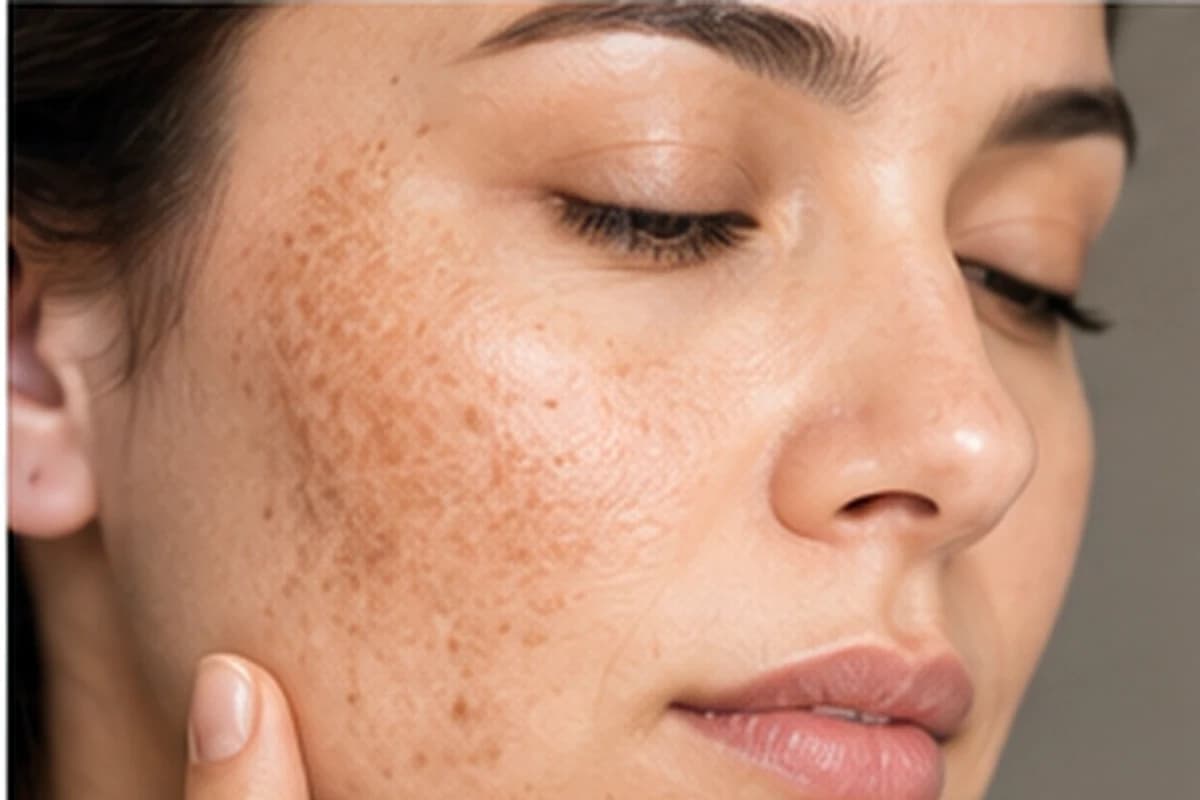
Pigmentation and melasma care
Pigmentation Treatment in Bhubaneswar
A diagnosis-led plan for melasma, post-acne marks, sun-related pigmentation and uneven tone, with attention to skin type and recurrence risk.
Consultation first
Pigmentation treatment depends on why the pigment appeared and how the skin responds.
Melasma, sun spots and post-inflammatory marks can look similar but behave differently. Hormones, heat, ultraviolet exposure, inflammation and unsuitable products may all contribute to recurring pigment.
The plan may include sun protection, topical treatment, peels, laser or other procedures. Strong treatment is not always better, especially when the skin barrier is irritated or the pigment is prone to rebound.
Clinical assessment
What the pigmentation consultation considers
Identifying the pigment pattern and possible triggers helps the doctor choose a safer sequence of treatment.
- Location, depth and pattern of visible pigmentation
- Melasma, sun-related change or post-inflammatory marks
- Skin type, sensitivity and barrier condition
- Hormonal, medical and medication history where relevant
- Sun, heat and product-related triggers
- Previous peels, lasers and the skin's response
Doctor-led approach
Control triggers while treating visible pigment
Pigmentation care often needs both correction and maintenance. The plan is reviewed over time because response, tolerance and recurrence vary between patients.
Daily photoprotection and trigger reduction
Barrier support before intensive procedures
Skin-type aware peels or device settings
Maintenance planning for recurring conditions
What to expect
A clear path from assessment to follow-up.
- STEP 01
Diagnosis
The doctor distinguishes the likely pigment pattern and checks for inflammation, sensitivity and relevant triggers.
- STEP 02
Correction
Home care and procedures are selected according to pigment depth, skin type and tolerance rather than a fixed package.
- STEP 03
Maintenance
Sun protection, trigger management and periodic review help support the result after visible improvement.
Related care
Continue your research.
Questions patients ask
Pigmentation Treatment FAQs
No. Melasma is a recurring pigment condition influenced by factors such as hormones, light and heat. Sun spots and post-acne marks have different causes and may need different treatment plans.
Unsuitable settings, recent tanning, inflammation or inadequate aftercare can increase pigment risk. Laser should be selected only after skin-type assessment and may not be the first option for every patient.
Improvement is usually gradual. Timing depends on the diagnosis, pigment depth, triggers, treatment tolerance and consistency with sun protection and home care.
Some forms, especially melasma and post-inflammatory pigmentation, can recur. Maintenance, sun protection and management of triggers remain important after improvement.
Discuss suitability with the doctor before choosing treatment.
Results, recovery and the number of sessions vary. A consultation is required to assess the concern and recommend an appropriate plan.